21 August 2026
Tattoo removal: sessions and aftercare
Quick answer
Laser tattoo removal breaks ink into fragments that your body clears away over 6–8 weeks between sessions, so complete removal typically takes 10–15 sessions or more depending on ink colour, depth, and age. Professional laser treatment is the only proven safe method, and realistic timelines should be confirmed at consultation with a patch test before you commit.
What the process actually involves
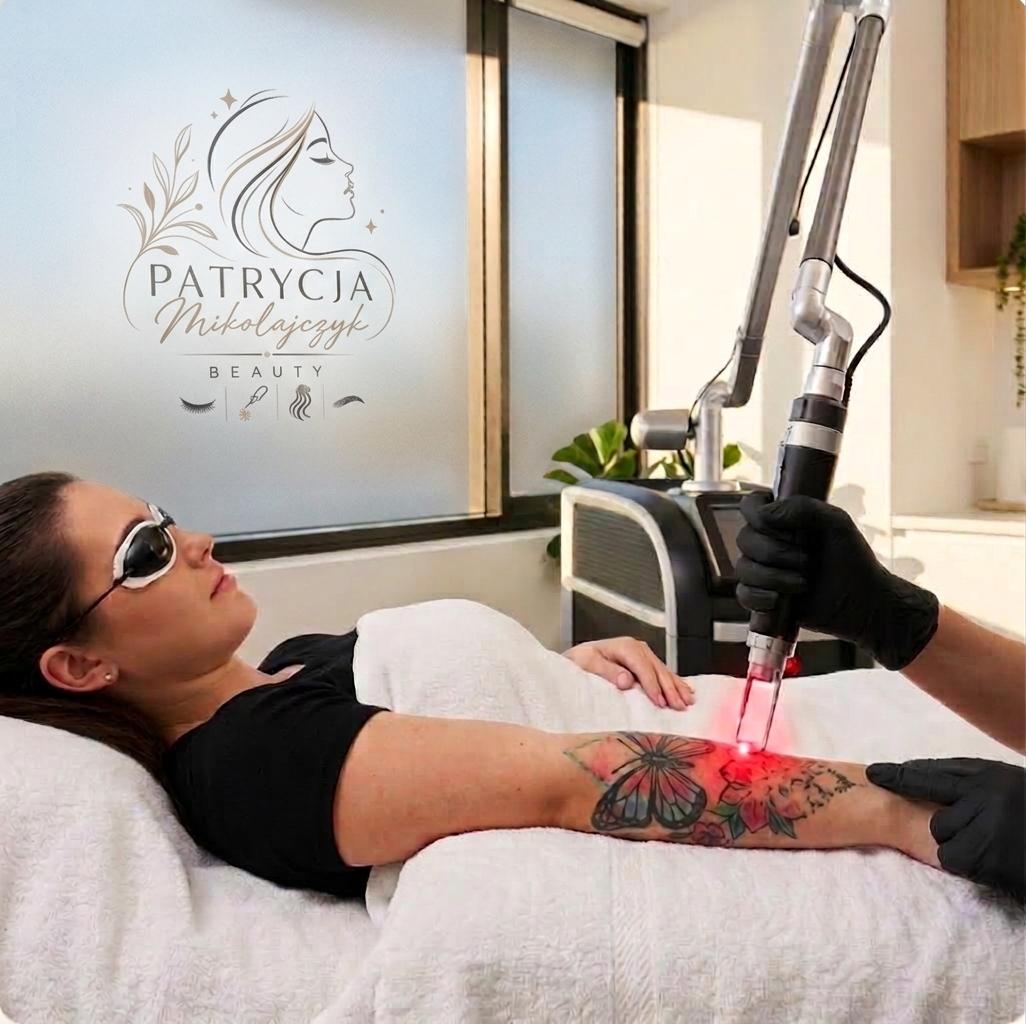
Laser tattoo removal works, but it is not instant and it is not one appointment. The laser breaks the ink into fragments small enough for your body to carry away, and that clearing happens between visits rather than during them — which is why sessions sit six to eight weeks apart. How many you need depends on things neither of us chooses: the colour of the ink, how deep and how densely it was packed, and how old the tattoo is. You will get a realistic range at the consultation, after I have seen the tattoo. Be wary of anywhere promising complete removal in two or three visits.
How Laser Tattoo Removal Actually Works
Modern laser technology targets the ink particles beneath your skin without damaging the surrounding tissue. The laser shatters the ink into tiny fragments, and your body's natural immune system gradually clears them away over weeks. This is why sessions are spaced out—your skin needs time to heal and your body needs time to process the broken-down ink. It's a process that demands patience, but it's the safest and most effective method available.
The sensation varies. Most people describe it as uncomfortable rather than painful—a bit like the snap of a rubber band against your skin. Numbing cream is available if you need it, and sessions are usually quick, often under 10 minutes depending on the tattoo size.
Sessions, Realistic Timelines, and What Affects Results
Tattoo removal isn't one-size-fits-all. Black and dark blue ink responds fastest. Red, orange, and yellow inks take longer and sometimes need specialized laser wavelengths. Professional tattoos with dense, evenly applied ink usually clear more predictably than amateur or home-made tattoos, which can sometimes be trickier because the ink distribution is uneven.
Most clients see significant fading after 6–8 sessions. Complete removal might take 10–15 sessions or more, depending on your skin type, the age of the tattoo, and the ink depth. Older tattoos often respond faster because some of the ink has already faded naturally. Professional guidance matters here: Patrycja's consultations include a patch test before you commit, so you can see how your skin responds and get a realistic forecast for your specific tattoo.
Aftercare and What Happens Between Sessions
After each session, your skin will be red and slightly swollen—think of it like a mild sunburn. This settles within hours or a day. Avoid sun exposure, swimming, and intense exercise for 48 hours. Keep the area clean and moisturized. Avoid picking at any blistering (which is normal and temporary). Your skin is doing the real work between visits, so don't rush back for the next session before 6–8 weeks have passed.
Why Professional Matters
DIY tattoo removal creams don't work and can scar your skin. Salabrasion (sanding off the tattoo) causes permanent scarring. Laser, done by someone trained and using certified equipment in a clean studio, is genuinely the only proven method. A specialist in Perth who takes time for consultations, does a patch test, and explains realistic timelines is worth the investment.
You should feel listened to and cared for during the process—not rushed, not sold unnecessary products, and not given vague promises about results. That's what separates a professional studio from a quick-turnover clinic.
Before you book
A consultation and a patch test come before the first session — we treat a small area and see how your skin responds, which is what makes the forecast for your tattoo realistic rather than optimistic. Ask about anything you are unsure of: how your particular ink is likely to behave, how long the whole course might take, what the gaps between sessions mean for your plans. Current prices for every tattoo size are on the treatment page.
Key facts
- Sessions are spaced 6–8 weeks apart because the body clears broken-down ink between treatments rather than during them.
- Black and dark blue ink responds fastest, whilst red, orange, and yellow inks take longer and may need specialized laser wavelengths.
- Most clients see significant fading after 6–8 sessions, with complete removal potentially taking 10–15 sessions or more depending on skin type, tattoo age, and ink depth.
- Aftercare involves avoiding sun exposure, swimming, and intense exercise for 48 hours after each session, with skin typically returning to normal within hours or a day.
- DIY removal creams and salabrasion are ineffective and can cause permanent scarring; laser treatment by trained professionals using certified equipment is the only proven safe method.
Frequently asked questions
How many sessions will I need to remove my tattoo?
Most clients need 6–8 sessions to see significant fading, with complete removal taking 10–15 sessions or more. The exact number depends on your skin type, the tattoo's age, ink depth, and colour—black ink clears faster than red or yellow. A professional consultation with a patch test will give you a realistic forecast for your specific tattoo.
Why can't tattoo removal be done in just two or three sessions?
Laser breaks ink into fragments that your body's immune system gradually clears away over weeks, not during the session itself. Sessions must be spaced 6–8 weeks apart to allow your skin to heal and your body to process the broken-down ink. Anyone promising complete removal in two or three visits is not being honest.
What should I do after a tattoo removal session?
Your skin will be red and slightly swollen like a mild sunburn, which settles within hours or a day. Avoid sun exposure, swimming, and intense exercise for 48 hours. Keep the area clean and moisturized, and don't pick at any temporary blistering. Wait the full 6–8 weeks before your next session—your skin is doing the real work between visits.
Does laser tattoo removal hurt?
Most people describe the sensation as uncomfortable rather than painful—like a rubber band snapping against your skin. Sessions are usually quick, often under 10 minutes depending on tattoo size. Numbing cream is available if you need it to make the experience more comfortable.